What Separates a Good Surgeon From a Great Surgeon: My Journey to ABFAS Board Certification
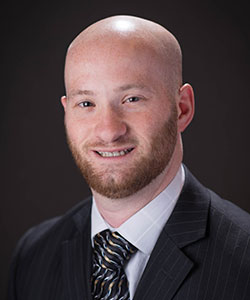
By Michael Kelly, DPM, FACFAS
Growing up with severe flatfeet, I experienced persistent pain that significantly diminished my enjoyment of activities, despite my active lifestyle. At age 12, I underwent surgery to address my flatfeet, specifically an Evans calcaneal lengthening osteotomy and a gastrocnemius recession. This decision proved transformative; since the surgery, I have been pain-free.
My personal experience with this successful surgical intervention has deeply inspired me to help others achieve similar outcomes. This is why I chose to pursue ABFAS Board Certification in Foot Surgery and Reconstructive Rearfoot/Ankle (RRA) Surgery.
Although the board certification process can seem daunting, setting a clear goal, measuring your progress, and sticking to that goal can make a tremendous difference. Your success depends on the actions you take and the habits you form. Specifically, regarding Case Review, learning and understanding the logging process is crucial. The case logs you maintain during residency via Podiatry Residency Resource are very similar to what you will need to do post-training. Proper logging is an essential task in the case review process, so developing an effective strategy for this task is key.
Reading and studying the material on the ABFAS website provides a blueprint for your journey. Becoming familiar with the documentation required for Case Review before you see your first patient will set you on the path to success when it comes time to submit the selected surgical cases.
I believe my Case Review went smoothly because I approached each clinical and operative note as if it were going to be sent for board review. By thoroughly describing my rationale for the choices I made, the procedures I performed, and the discussions I had with patients, I ensured that my documentation was comprehensive.
A common misconception about Case Review is that a poor outcome leads to board certification failure, but this is not true. How you respond to a poor outcome through thorough documentation is important. My methodology was akin to a legal battle: If you didn’t document it, you didn’t do it.
The reality is that if you perform enough surgeries, you will encounter complications. How you handle those complications is what separates a good surgeon from a great surgeon—and it could be what separates you from becoming an ABFAS Board-certified surgeon or not.
I have—and always will—be committed to using my firsthand knowledge and surgical skills to improve the lives of my patients, providing them with the relief and enhanced quality of life that I was fortunate to experience. I can personally relate to the pain many of my patients endure, understanding the fear, hardships, inconvenience, recovery, and commitment involved. My practice extends beyond medical training; it is informed by my own journey, fostering a more genuine and empathetic connection with my patients.
ABFAS is the only foot and ankle surgery certification board recognized by the Council on Podiatric Medical Education through the Specialty Boards Recognition Committee. Having achieved my goal of becoming ABFAS Board Certified in Foot Surgery and RRA Surgery signifies my competency and training, giving my patients and hospital confidence in the highest quality care I provide.